Australia Day in Australia
Australia Day falls on 26 January each year and is a national public holiday. For many Australians it is a day for barbeques, community festivals, citizenship ceremonies and public events. For others - particularly many First Nations people - the date carries grief and the day is observed as a day of mourning, protest or reflection.
Australia Day - Dates
This year (2026)
| Name | Date | Holiday Type | States | |
|---|---|---|---|---|
| Australia Day | Mon, 26 Jan 2026 | Public holiday | All |  Add Add |
Next year (2027)
| Name | Date | Holiday Type | States | |
|---|---|---|---|---|
| Australia Day | Tue, 26 Jan 2027 | Public holiday | All | Add |
Last year (2025)
| Name | Date | Holiday Type | States | |
|---|---|---|---|---|
| Australia Day | Sun, 26 Jan 2025 | Public holiday | All | Add |
Are Businesses Closed?
Australia Day is a public holiday. Most businesses and offices are closed. Because of the controversial nature of the date, some companies offer their employees an option to work on this day and take a day off later.
Are Schools Closed?
Schools in all states are closed to observe Australia Day.
A Brief History
Australia Day is observed on 26 January each year. The date marks the landing of the First Fleet at Port Jackson (Sydney Cove) in 1788, when Captain Arthur Phillip raised the British flag and established the first permanent European settlement on the continent.
Common ways Australians observe Australia Day
1. Citizenship ceremonies
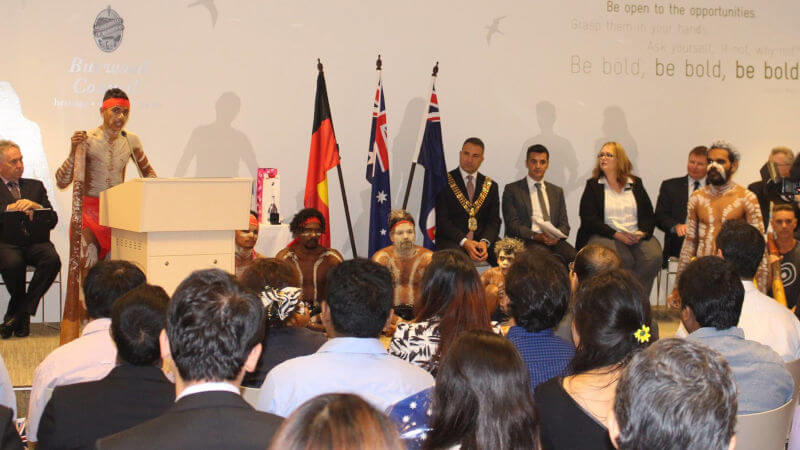
One of the most important public elements of Australia Day is the citizenship ceremony. Local councils and organisations run hundreds of ceremonies where new citizens are formally welcomed. In recent years thousands of people have received citizenship around Australia Day events as part of the national programme.
Prakash Tim, creator of this website recalls his proud moment when he received the Australian citizenship on this day a few years ago. The ceremony was run by the Burwood council in NSW.
2. Community awards and local events
Many councils present "Australia Day Awards" for community service, and organise family-friendly festivals with music, food stalls, and citizenship flag-raising events. These events aim to highlight local volunteers and sporting heroes and to bring communities together.
3. Backyard barbeques and informal gatherings
For many Australians the day is a casual holiday - barbecues, beach days and backyard gatherings are common. Local clubs and surf lifesaving clubs often run family activities and community breakfasts. It has become a tradition to roast a leg of lamb on this day. Popular supermarkets also run special lamb leg sale.
4. Protests, rallies and remembrance
For many First Nations people, 26 January is a day of mourning or protest, often called Invasion Day or Survival Day. Dawn services, marches and educational events are organised to remember the impacts of colonisation and to call for change. These activities are an important and visible part of the day in many cities and towns.
5. Fireworks and city spectacles
City councils and communities also host fireworks on the Australia Day at around 9pm. Check on your council's website or the socials.
To learn more about the planned events, please visit the official Australia Day website.
Practical tips for locals and visitors
- Check your local council event page for event times, road closures and whether fireworks or drone shows will run.
- If you attend a dawn service or smoking ceremony, arrive early, dress respectfully and follow any guidance from organisers.
- Plan travel in advance - public transport timetables often change on public holidays and parking near popular events can fill early.
- If you have pets, consider leaving them in a calm, secure place - loud events and fireworks can cause distress.
FAQ
When is Australia Day and is it a public holiday?
Australia Day is on 26 January. It is a national public holiday. If 26 January falls on a weekend, the public holiday observance may move to a weekday - check your state or territory government page for the current year’s arrangement.
What happens at Australia Day citizenship ceremonies?
Citizenship ceremonies formally welcome new Australians; they often include the citizenship pledge, an official welcome, and sometimes presentations or performances. Many local councils schedule extra ceremonies around Australia Day to accommodate applicants.
Why do some people mark the day as Invasion Day?
For many First Nations people, 26 January marks the start of British colonisation and the dispossession that followed. They mark the date as a time to mourn, protest and call for recognition and justice. The coexistence of celebration and protest makes the day a complex national moment.